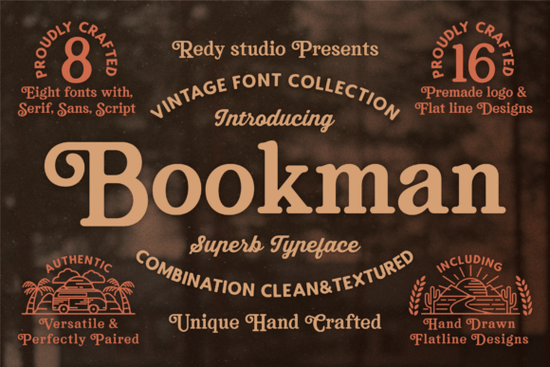
If you’ve ever wanted your designs to feel like they stepped out of a cozy 1950s bookstore or an old library card catalog, Bookman Font might be exactly what you’re looking for. It’s a display typeface with warmth and character not too ornate, not too stiff just the right amount of vintage charm to make posters, packaging, or branding feel nostalgic without being dated. Whether you’re designing merch for Etsy, crafting wedding invites, or sprucing up your café’s menu, this font adds personality quietly and effectively.
What makes Bookman stand out is how readable it remains even when used large. Many vintage-inspired fonts sacrifice legibility for style, but this one holds its own. The letterforms have subtle curves and sturdy serifs that nod to classic book typography, which is why it pairs so well with projects that need a gentle, human touch think handmade labels, boutique logos, or storybook-style children’s products.
Who actually uses this kind of font?
It’s popular among:
- Print-on-demand sellers who want their mugs, totes, or T-shirts to feel curated, not mass-produced.
- Small business owners running bakeries, bookshops, or craft studios places where “vintage” equals “trustworthy.”
- Wedding designers creating invitations or signage that feel romantic but not overly frilly.
- Hobbyists making scrapbooks, journals, or holiday cards at home.
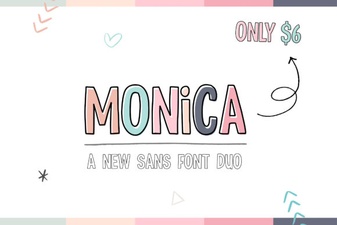
You’ll often see similar vibes in fonts like Fries and Shake, which leans playful, or Monica, which has more delicate swashes. But Bookman sits comfortably in the middle stylish enough to catch the eye, grounded enough to stay readable.
How does it compare to other vintage display fonts?
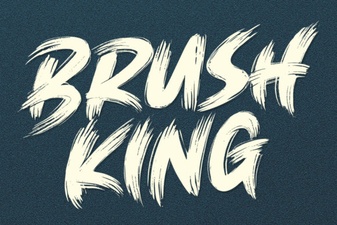
If you’ve browsed Creative Fabrica’s display section, you’ve probably noticed Brush King bold, brushy, and energetic. Or maybe Chalk Zone, which gives off schoolhouse blackboard energy. Bookman doesn’t compete with those; it complements them.
Where Brush King shouts, Bookman whispers. Where Chalk Zone feels casual, Bookman feels intentional. You wouldn’t use it for a skateboard brand or a rock concert poster (unless you were going for ironic librarian chic). But for anything that benefits from a sense of heritage, quiet confidence, or literary flair? Perfect fit.
And if you’re curious how it stacks up against other serif display options, you can explore more styles like this one over at Bookman.
What kinds of projects work best with Bookman?
Here are a few real-world uses that click:
- Coffee shop menus especially if you roast your own beans or serve homemade pastries.
- Book covers or chapter headings for indie authors writing cozy mysteries or historical fiction.
- Product packaging for candles, teas, or artisanal soaps anything that wants to feel handcrafted.
- Event signage for farmers’ markets, craft fairs, or literary festivals.
One thing to note: because it’s a display font, avoid using it for long paragraphs. Stick to headlines, titles, logos, or short quotes. Pair it with a clean sans-serif (like Helvetica or Lato) for body text, and you’ve got a balanced, professional look that still feels personal.
Any tips for styling it without overdoing it?
Absolutely. Here’s what works:
- Use generous spacing. Let the letters breathe tight kerning kills the vintage vibe.
- Stick to medium or large sizes. Small sizes lose the charm and become hard to read.
- Try muted colors. Cream, olive, burgundy, or slate gray enhance the nostalgic tone better than neon pink.
- Add texture subtly. A faint paper grain or ink bleed effect in your design software can deepen the vintage feel but don’t go overboard.
Also, don’t feel pressured to pair it with another ornate font. Sometimes the most effective combos are simple: Bookman for the headline, a plain sans-serif for everything else. Less really is more here.
Where can I find it and how much does it cost?
You can grab Bookman directly through Creative Fabrica and if you’re already subscribed to their all-access plan, it’s included. If not, individual licenses are affordable, especially considering how many projects you can use it across. Just head to the Bookman product page to preview characters, download files, and check licensing details. Personal and commercial use are both covered, which is great for small biz folks.
Before you download, take a minute to test how it looks with your brand’s color palette or your current project layout. Most font pages let you type sample text super helpful for visual people.
Quick checklist before you hit download:
- ✅ Does it match the mood of your brand or project?
- ✅ Will it be used mostly in headlines or short phrases?
- ✅ Do you have a simple secondary font ready to pair with it?
- ✅ Have you checked the license terms for your intended use?
If you answered yes to all four, you’re good to go. This isn’t a flashy, trend-chasing font it’s the kind you come back to again and again because it just works. And sometimes, that’s exactly what your next project needs.
Explore Design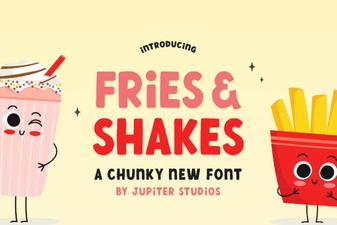 A Modern Font for Bold Food Branding
 Monica Font: Your Creative Design Companion
 Brush King Fonts for Creative Design Projects
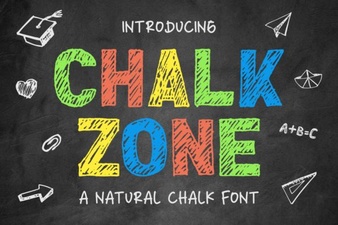 Chalk Zone Font Style & Design Inspiration
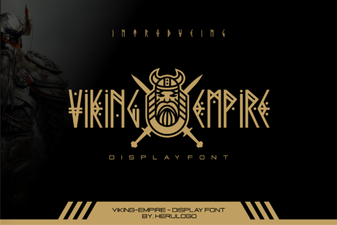 Choosing a Viking Empire Font for Your Projects
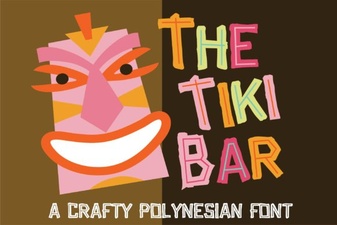 Choosing a Font for Your Tiki Bar Decor