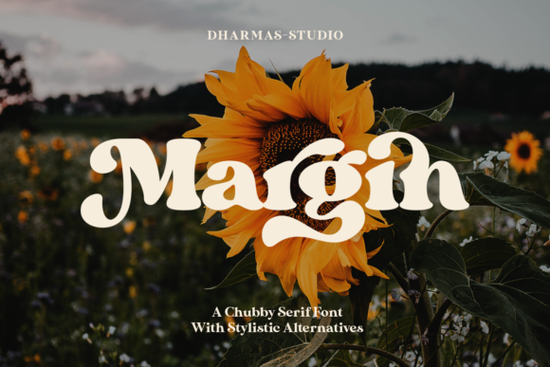
If you’ve been searching for a serif font that feels both timeless and fresh, Margin might be exactly what your next project needs. It’s not trying to reinvent the wheel it’s just really good at what it does: clean lines, thoughtful spacing, and enough character to stand out without shouting. Whether you’re designing a logo, laying out a brochure, or creating social media graphics, this font adapts well across formats.
What makes Margin especially useful is how it handles both headlines and body text. You don’t often find a single typeface that performs equally well at large sizes and in dense paragraphs, but this one manages it. That kind of versatility saves time when you’re juggling multiple design elements and want consistency without sacrificing style.
Who should consider using Margin Font?
If you run a small business or side hustle where branding matters think Etsy shops, local bakeries, handmade product labels, or boutique services having a reliable, elegant font like Margin can make your materials look more polished. Crafters who create printable wall art or planners will appreciate how readable it is even at smaller sizes. Print-on-demand sellers benefit too, since the font scales cleanly for everything from T-shirts to mugs to tote bags.
It also plays nicely with other fonts. Pairing it with something like Alchemist gives you contrast while keeping things cohesive Alchemist brings more personality, while Margin holds the structure. Or go minimalist and let Margin carry the whole design by itself.
How does it perform in different formats?
One thing users consistently note is how well Margin translates between screen and print. On websites, it renders crisply without pixelation. In printed materials whether glossy brochures or matte business cards the letterforms hold their shape and weight evenly. Even in video overlays or animated text, there’s no flickering or distortion at common frame rates.
- Web: Works smoothly with CSS @font-face embedding; no rendering quirks in major browsers.
- Print: High-resolution output with consistent kerning and stroke thickness.
- Motion graphics: Stable in After Effects and similar tools no redraw issues during keyframed animations.
That reliability means fewer headaches when switching contexts. You won’t need to swap fonts halfway through a multi-platform campaign just because one version looks off on mobile or under fluorescent lighting.
What are some real-world uses I’ve seen?
I’ve come across Margin used in wedding invitation suites (paired with delicate script fonts), editorial layouts for indie magazines, packaging for artisan coffee brands, and even app UI mockups where hierarchy needed subtle distinction. One designer used it exclusively for all chapter titles in a self-published cookbook bold for main headers, regular for subheads and said clients kept complimenting the “professional” feel.
Another user mentioned they chose it over pricier commercial fonts because it offered comparable quality without licensing restrictions for small-scale merch. That flexibility matters if you’re testing new products or scaling slowly.
A quick tip before you download
Before committing, preview the full character set especially if you need accented letters, numerals, or punctuation variants. Margin includes extended language support, which isn’t always guaranteed with decorative serifs. Also check OpenType features like ligatures or stylistic alternates if your software supports them; those little details add polish when used intentionally.
You can explore similar options in the serif collection if you want to compare weights or moods. Sometimes seeing fonts side-by-side helps you realize what tone you actually want formal, friendly, vintage, modern and Margin sits comfortably in that classic-but-not-stuffy zone.
Is there a learning curve?
Not really. If you’ve used any desktop publishing tool Canva, Adobe apps, Affinity, even PowerPoint installing and applying Margin is straightforward. The files come in standard formats (.OTF and .TTF), so compatibility isn’t an issue. No special plugins or converters required.
The only “trick” worth noting: because it has strong vertical stress and moderate contrast, avoid ultra-light weights on low-res screens or tiny prints. Stick to Medium or Bold for anything under 10pt or viewed on mobile. Otherwise, readability stays solid.
And if you ever get stuck pairing it? Try starting with neutral sans-serifs like Helvetica Neue or Inter. They won’t compete visually, letting Margin’s details shine through without clutter.
Next step: Try it risk-free
Creative Fabrica often runs promotions where you can grab new fonts like this as part of a subscription bundle. Even if you’re not ready to commit long-term, their trial period lets you test-drive downloads before renewal. Download Margin, drop it into a current project, and see how it changes the rhythm of your layout. Sometimes the right font doesn’t scream for attention it just quietly makes everything else work better.
Quick checklist before you start:
- ✅ Confirm your software supports OTF/TTF fonts
- ✅ Preview glyphs you’ll actually use (currency symbols, dashes, etc.)
- ✅ Test at final output size especially for embroidery or vinyl cutting
- ✅ Save a backup copy locally after downloading
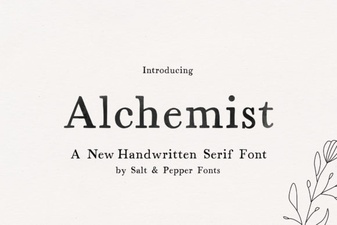 Alchemist Font: Download and Creative Use Guide
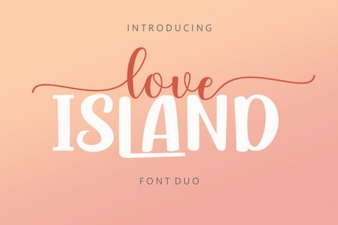 Love Island Duo Font Pairings & Styles Guide
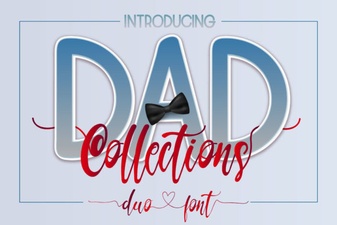 Design Projects with the Dad Collections Creative Font
 Strawberry Shortcake Fonts for Design Projects
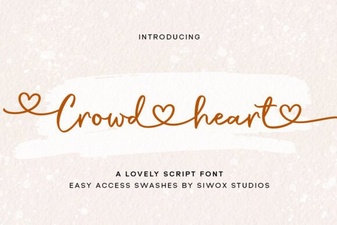 Creative Typography with Crowd Heart Font
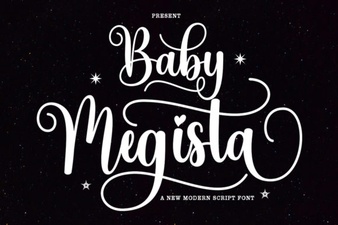 Creative Projects with Baby Megista Font